Why Adults Quit Piano in 3 Months (and It's Not Talent)
Quick answer
Most adults who stop playing piano hit five walls: scales before music, sheet-music overload, recurring costs, no real song for months and practice guilt. None is about talent. Chords and rhythm first, a song in your first sessions, 15 minutes most days and a cost you pay once fix most of them.
We may earn a commission from links on this page, at no extra cost to you. Disclosure
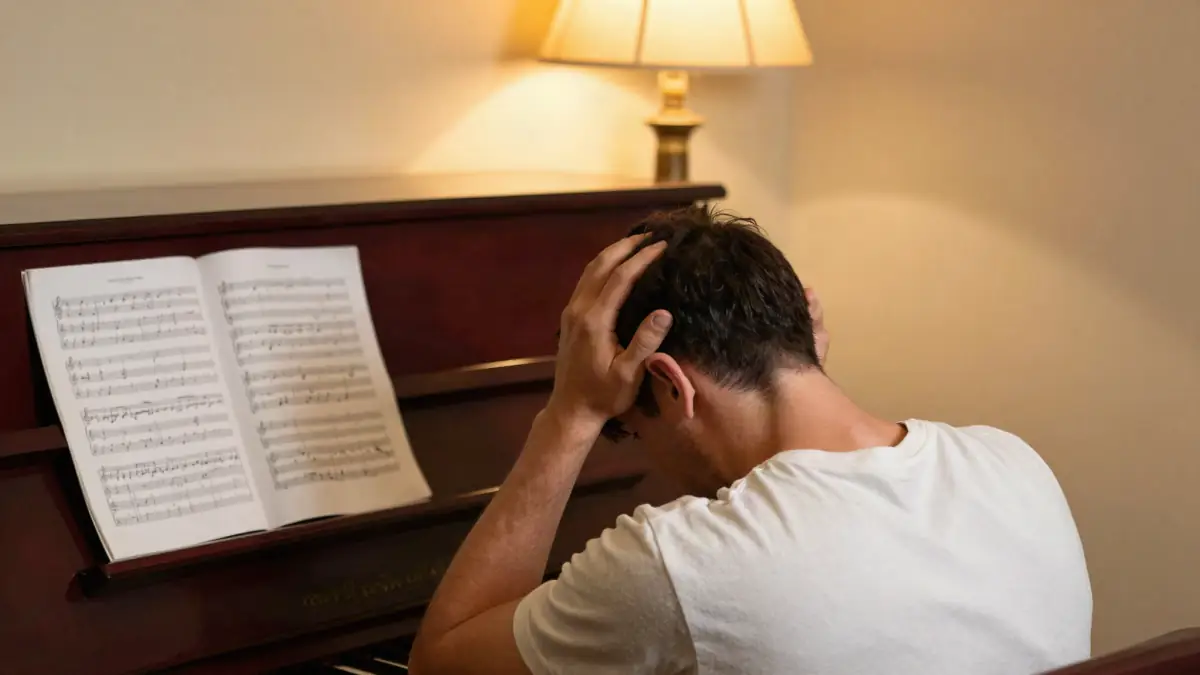
You bought the keyboard. You set it up in the spare room, found a beginner book, and promised yourself 20 minutes a day. A few weeks later the keyboard has a coat of dust and a pile of mail on it. If that sounds familiar, you are in good company. Most adults who stop playing piano do not lack talent. They hit five predictable walls, and every one of them has a fix.
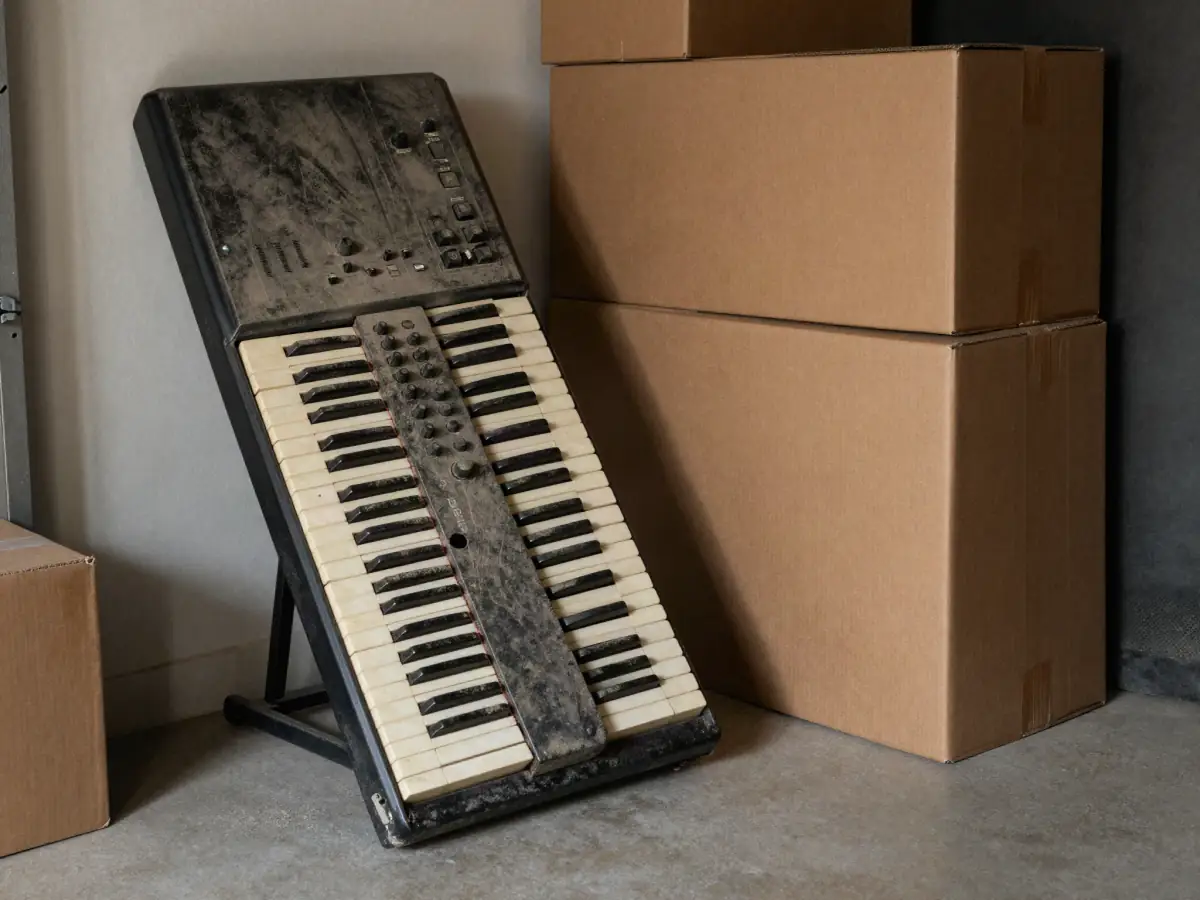
The keyboard in the corner
The usual pattern is a strong start, a slow fade and a quiet stop, often within the first few months. Week one feels exciting. Week three feels like homework. By the time life gets busy, there is no song you can play for fun, so there is nothing pulling you back to the bench.
The guilt is the worst part. Every time you walk past the keyboard, it reminds you of something you "failed" at. That feeling makes the next session even harder to start.
Here is the good news: when you look at why adults stop, the reasons are rarely about ability. One survey study of adult piano students found that people who quit as children mostly pointed to other activities, boring lessons and a dislike of practice. Those are problems with the method, not the person. The same traps catch adults the second time around.
Adults rarely quit piano because they can't learn it. They quit because nothing they practice sounds like music yet.
Wall 1: Scales and drills before any music
Many traditional methods start with scales, finger drills and simple pieces you would never choose to play. Drills do build technique. But for an adult with 20 spare minutes after work, playing C major up and down for the hundredth time feels like paying a toll with no road behind it.
Children often push through because a parent makes them. Adults have no one checking. When the reward is months away, motivation runs out first.
Wall 2: Sheet-music overload
Reading music while also learning where your fingers go is two hard skills at once. You decode a note on the page, find it on the keys, check the rhythm, then look back up and lose your place. Every bar is slow, so nothing sounds like a song.
Reading is a valuable skill, and many players love it. It just does not have to come first. Plenty of adults get more joy, faster, by learning chords and rhythm before formal reading. We compare both paths in piano by ear vs reading music.
Want a course that starts with chords and rhythm instead of scales? Pianoforall was $49 one-time at checkout on October 13, 2026, with a 60-day refund window.
See how Pianoforall starts →Paid link · opens the vendor's sales page.
Wall 3: The cost keeps ticking
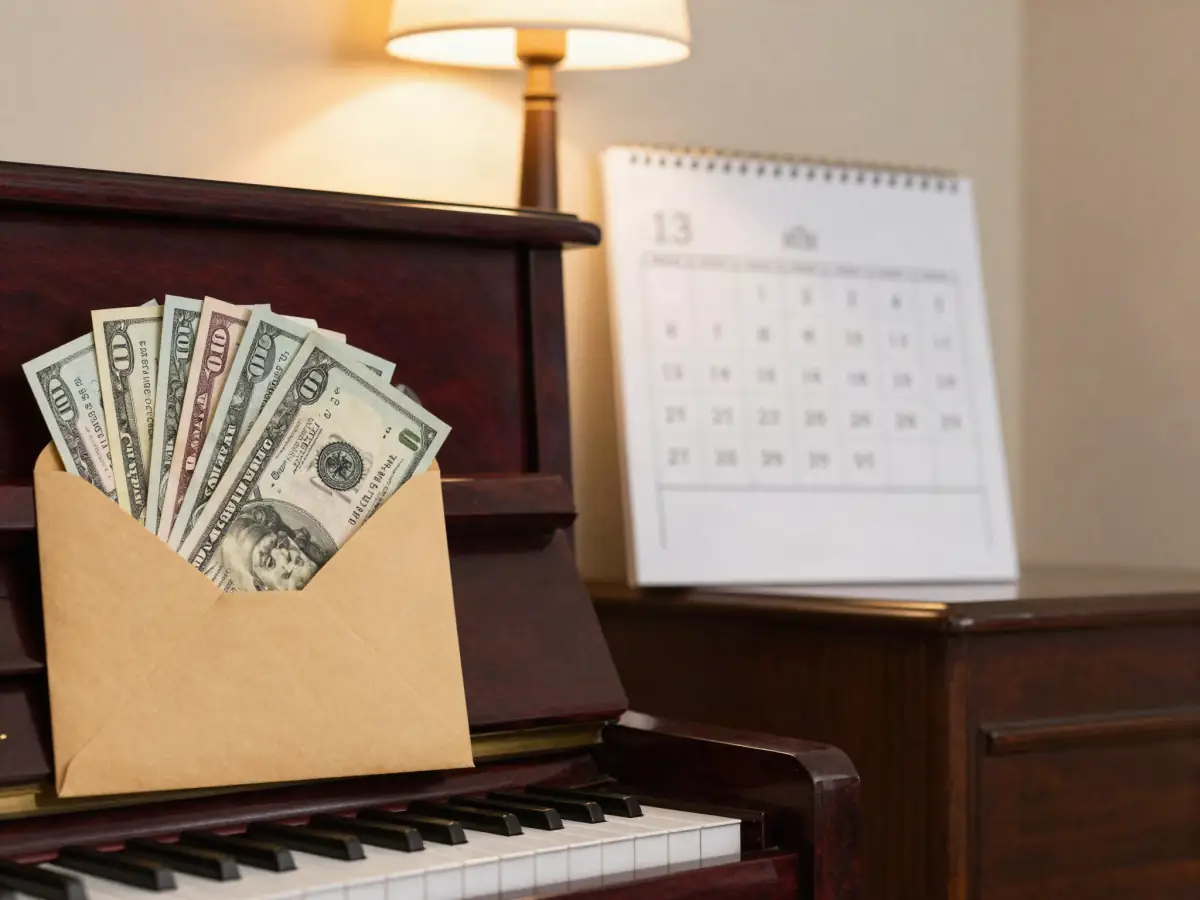
Weekly private lessons and monthly apps are both recurring costs, and recurring costs make every missed week feel expensive. Private teacher rates vary a lot by city, so ask locally. Subscription apps are easier to compare, and the numbers add up over a year.
When you skip a week, you still pay. That turns a hobby into a bill, and a bill into a reason to cancel. Then you stop playing too.
| Option (prices as of Oct 13, 2026) | How you pay | Cost over 12 months |
|---|---|---|
| Flowkey Classic | $99.99 per year | $99.99, renews yearly |
| Piano Marvel | $129.99 per year | $129.99, renews yearly |
| Playground Sessions | $149.99 per year | $149.99, renews yearly |
| Pianote (Musora), lessons only | $229 per year | $229, renews yearly |
| Pianoforall | $49 one-time | $49, no renewal |
US list prices from each vendor's page on October 13, 2026. Promotions and regional prices change. Full details in our best online piano courses for adults roundup.
Wall 4: No real song for months
The fastest way to lose an adult learner is to make them wait too long for a song they recognize. A song is the payoff. It is what you play for your partner, your grandkids or just yourself on a Sunday morning.
Many pop, folk and rock songs lean on a small set of chords. Learn three chords and a simple rhythm, and you can accompany a surprising number of tunes. That first "I'm actually playing" moment does more for motivation than any streak counter. You can try it today with our free first three chords lesson.
Wall 5: Practice guilt
"I should practice an hour a day" is the plan that ends most adult piano journeys. It is not realistic with a job, a family and a body that is tired by 8 p.m. When you miss a day, the hour turns into guilt. When you miss a week, you stop.
Short sessions you actually do beat long sessions you skip. Fifteen focused minutes most days is a plan you can keep.
Prefer one payment over another monthly bill? Pianoforall is ebooks with embedded video and audio, $49 one-time (checkout, Oct 13, 2026).
Check the current price →Paid link · opens the vendor's sales page.
What actually fixes it
Each wall has a simple counter-move, and none of them needs talent. Pick the ones that match why you stopped last time.
| Why adults stop | The fix |
|---|---|
| Scales before music | Start with chords and rhythm, add technique once you enjoy playing |
| Sheet-music overload | Learn by ear and by chord shapes first, add reading gradually |
| Costs that keep ticking | Choose a one-time course, or a subscription you will truly use weekly |
| No song for months | Play a real song with 3 chords in your first sessions |
| Practice guilt | 15 minutes, most days, on a timer; stop while it is still fun |
A 15-minute routine you can keep
Split 15 minutes into three short blocks, and you will touch every core skill without burning out.
- 5 minutes: chords. Play your chord shapes slowly, then switch between them.
- 5 minutes: rhythm. Add a left-hand bass note and a steady pattern.
- 5 minutes: one song. Something you like, even if it is only the chorus.
Leave the keyboard uncovered with the bench pulled out. Removing small hurdles makes it easier to sit down. If your hands or wrists hurt while playing, stop and see a doctor. For a bigger plan, read how to learn piano as an adult, and for realistic expectations, how long it takes to learn piano.
Where Pianoforall fits
Pianoforall is one course built around fixes 1, 2, 3 and 4: chords and rhythm first, reading later, one payment. It was created by Robin Hall and has been online since 2006, according to the vendor. It comes as 10 ebooks with embedded video and audio. The vendor says it includes about 300 video lessons and 25+ hours of video, though counts differ across its pages.
The path runs from party-style rhythm piano through blues and rock'n'roll, chord inversions, ballads, jazz, and later classical pieces and sight-reading. It works on Windows and Android through the free Kotobee Reader, on Mac and iOS through Apple Books, and offline. A newer online player at academy.pianoforall.com has a free "Test Drive" with no card needed.
The honest downsides
Pianoforall does not fix everything, and it is not right for every adult.
- No feedback. There is no teacher and no app that listens to your playing. Record yourself on your phone and compare it to the videos.
- Dated look. The video production is older, which several reviewers mention. Some third-party reviews are critical overall.
- Light on formal reading early on. If your goal is classical exams, a teacher or a reading-focused app suits you better.
- An optional upsell. After checkout the vendor offers "Classics By Ear" for $49. You do not need it to start.
For a side-by-side look, see our full Pianoforall review and is Pianoforall worth it.
Money-Back
Low risk if it isn't for you
Pianoforall has a 60-day money-back window. You can ask the vendor or go through ClickBank at clkbank.com. The vendor says its refund rate has stayed at or below 4% since 2006. Terms checked October 13, 2026.
Start with chords, play songs early, pay once. Research-based pick, not a hands-on test.
Try the chords-first approach →Paid link · opens the vendor's sales page.
Frequently asked questions
Why do so many adults quit piano?
Usually not for lack of talent. The common reasons are boring scales and drills, struggling to read music and play at once, ongoing lesson or app costs, waiting too long to play a real song, and guilt about missed practice.
Is it too late to learn piano as an adult?
There is no age cutoff. Adults often move slower in finger coordination at first, which is normal. Short, regular practice and songs you enjoy matter more than age.
How long should an adult practice piano each day?
About 15 focused minutes most days is a realistic plan. Split it into chords, rhythm and one song. Short sessions you keep beat long sessions you skip.
Do I need to read sheet music to start piano?
No. Many adults start with chords and playing by ear, then add reading later. If your goal is classical pieces or exams, reading becomes essential sooner.
Is Pianoforall good for adults who quit before?
It suits adults who want chords and songs first and one payment ($49 one-time on October 13, 2026, with a 60-day refund window). It has no live feedback and a dated look, so it suits self-directed learners.
What if piano practice hurts my hands?
Stop playing and see a doctor. Do not push through pain.
More from the blog
Best 5 Online Piano Courses for Adults in 2026
Pianoforall, Pianote, Playground Sessions, Flowkey and Piano Marvel compared on 1-year cost, refunds, by-ear vs reading and devices. Prices Oct 13, 2026.
Play Your First 3 Chords Tonight (C, F, G) in 15 Minutes
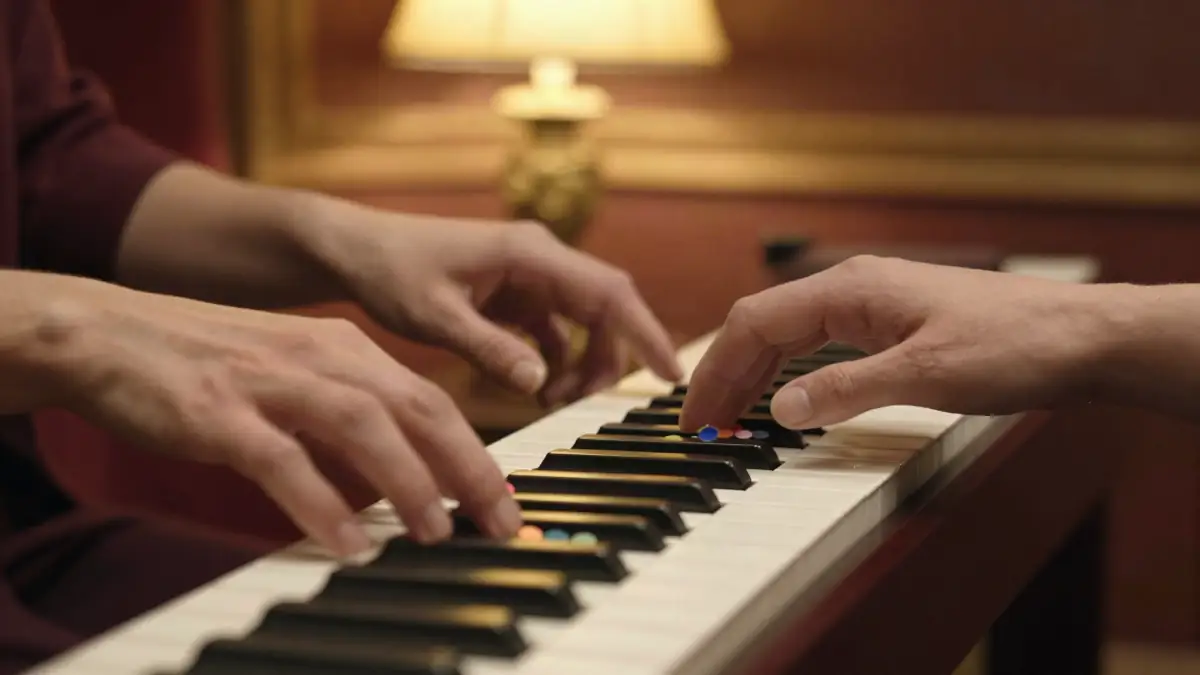
Learn C, F and G piano chords in 15 minutes: find middle C, finger numbers, exact notes, smooth inversions, left-hand bass and a simple rhythm.
Is Pianoforall Worth It? An Honest Buyer's Guide for 2026
Is Pianoforall worth $49? Objections (dated look, no feedback, ebooks, Academy move), price math vs subscriptions, who should skip it, refund steps.